Blog
Ketamine Infusion
Mar
Ketamine Infusion Therapy: A Breakthrough for Treatment-Resistant Mental Health
For millions of individuals living with depression, anxiety, and post-traumatic stress disorder (PTSD), the path to wellness can feel like an endless series of dead ends. Traditional treatments—including selective serotonin reuptake inhibitors (SSRIs) and psychotherapy—are life-changing for many, but they are not universally effective. Approximately one-third of people with major depressive disorder (MDD) do not achieve remission despite multiple treatment attempts, a condition clinically defined as treatment-resistant depression (TRD) .
Recommended products
-
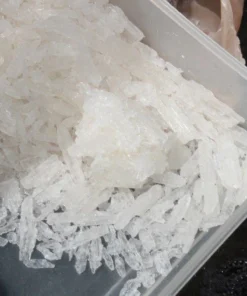
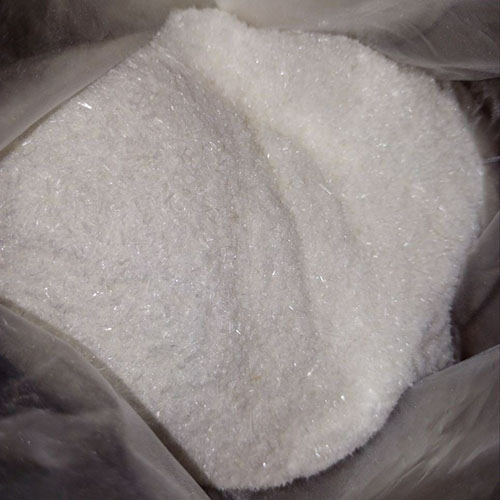
Ketamine Crystal
Price range: $200.00 through $840.00 -
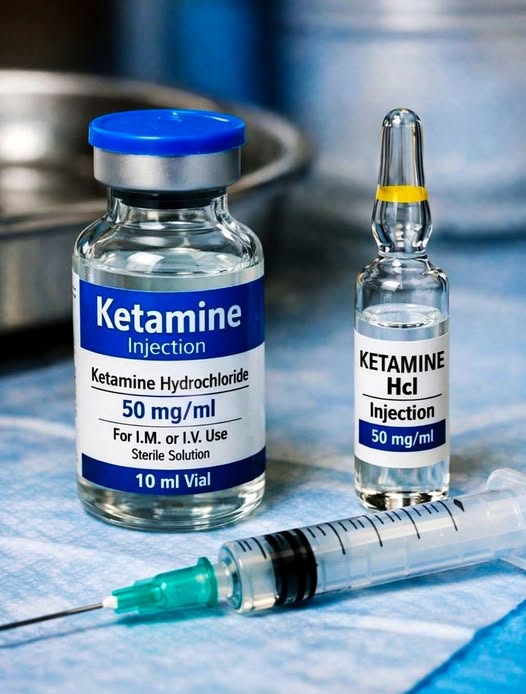
Ketamine HCL Vial
Price range: $260.00 through $1,750.00 -
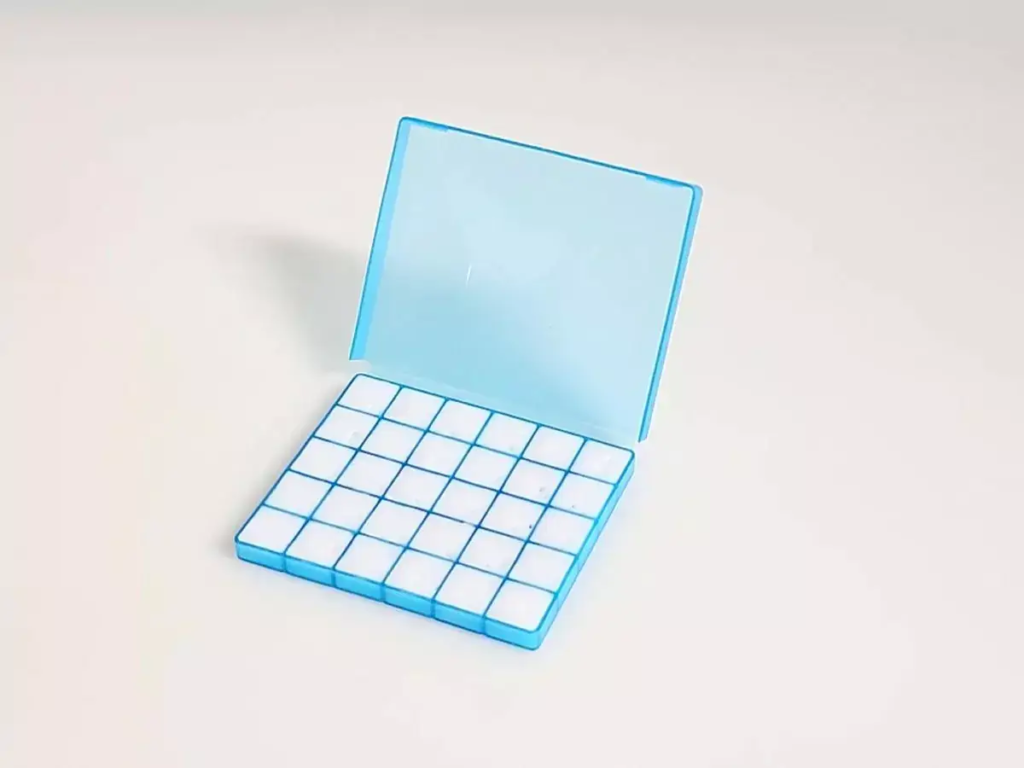
Ketamine Lozenges
Price range: $247.50 through $4,500.00 -
Ketamine Nasal Spray
Price range: $250.00 through $875.00 -
Ketamine Powder
Price range: $250.00 through $1,050.00 -
Ketamine Shards
Price range: $120.00 through $1,050.00 -
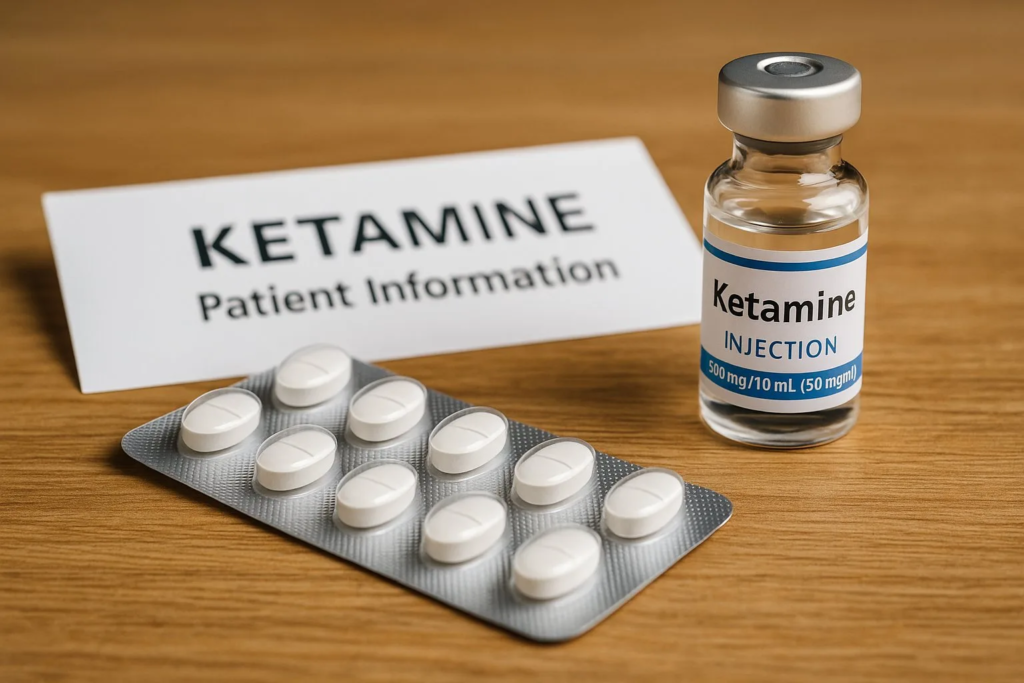
Ketamine Tablets
Price range: $150.00 through $550.00 -
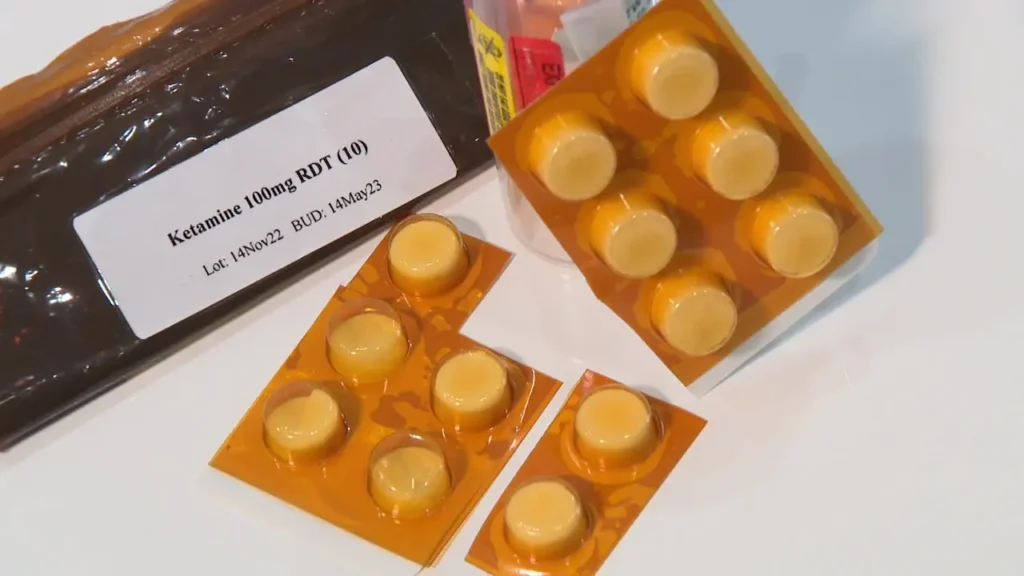
Ketamine Troches
Price range: $246.00 through $4,500.00
In recent years, ketamine infusion therapy has emerged as a rapidly acting and highly promising option for those who have not found relief through conventional means. At CVS Ketamine, we provide safe, medically supervised ketamine infusions to help patients heal by targeting the root causes of mood disorders in ways traditional medications cannot.
What Is Ketamine and How Does It Work?
Ketamine is not a new drug. It was approved by the U.S. Food and Drug Administration (FDA) in 1970 as an anesthetic and has a five-decade track record of safety in operating rooms and emergency departments . However, at lower, subanesthetic doses, ketamine exerts a unique effect on the brain that is entirely different from standard antidepressants.
Unlike traditional medications that target the serotonin or norepinephrine systems, ketamine primarily works on the glutamate system. Glutamate is the most abundant excitatory neurotransmitter in the brain and is critical for neuroplasticity—the brain’s ability to form and reorganize synaptic connections .
The Mechanism: Rebuilding Brain Connections
Chronic stress and depression physically damage the synapses (connections) between brain cells, particularly in regions that regulate mood and cognition, such as the hippocampus and prefrontal cortex . Ketamine acts as an NMDA receptor antagonist. By blocking these receptors, it triggers a cascade of events that increase glutamate activity and release brain-derived neurotrophic factor (BDNF) . This process rapidly stimulates the growth of new synaptic connections, effectively “rebuilding the wiring” of the brain that was eroded by chronic mood disorders . Ketamine Infusion
This biological repair mechanism explains ketamine’s most celebrated clinical feature: rapid onset of action. While SSRIs can take weeks or months to work, ketamine infusions can reduce depressive symptoms and quiet suicidal ideation within hours to days after treatment .
Conditions Treated with Ketamine Infusions
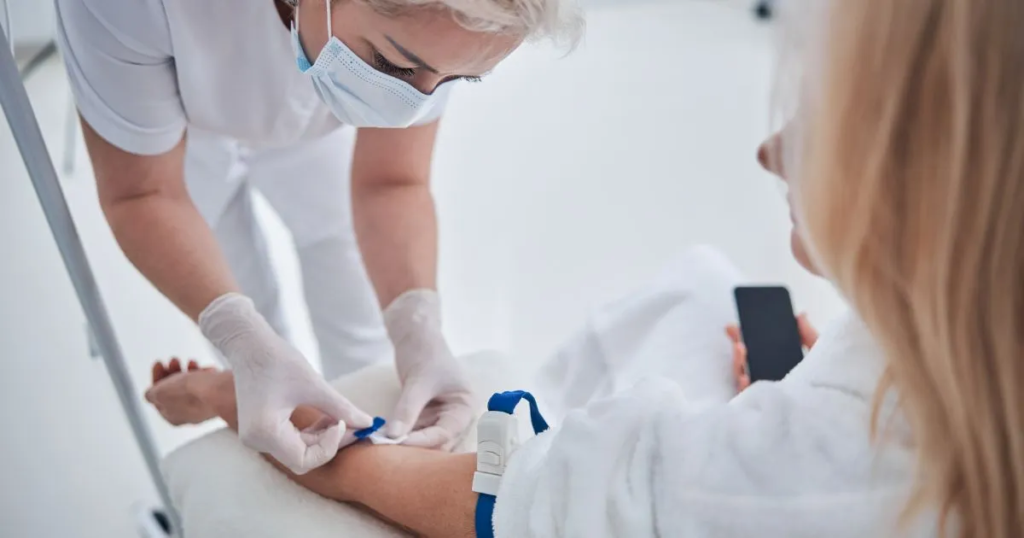
At CVS Ketamine, we specialize in using intravenous (IV) ketamine to treat a range of mental health conditions, particularly those that have proven resistant to first-line treatments.
1. Treatment-Resistant Depression (TRD)
TRD is the most common indication for ketamine therapy. For patients who have tried two or more antidepressants without success, ketamine offers a novel mechanism of action that bypasses the monoamine pathways of conventional drugs. Research published in nursing and psychiatric journals confirms that ketamine can achieve remission in a significant subset of this difficult-to-treat population . Ketamine Infusion
2. Suicidal Ideation
One of the most critical applications of ketamine is its ability to rapidly reduce suicidal thoughts. In a crisis, waiting weeks for an antidepressant to work is not an option. Ketamine’s fast-acting nature makes it a vital tool for stabilizing individuals experiencing acute suicidal ideation, providing a “therapeutic window” of relief during which deeper healing can begin .
3. Anxiety Disorders and PTSD
Ketamine infusion therapy is also highly effective for anxiety and PTSD. By promoting neuroplasticity, ketamine helps “reset” overactive neural circuits associated with fear and hyperarousal. Patients with PTSD often report a reduction in intrusive thoughts and emotional numbness following a series of infusions . It also shows significant benefit for generalized anxiety disorder (GAD) and obsessive-compulsive disorder (OCD) .
4. Co-Occurring Conditions
Emerging evidence suggests ketamine may also aid in reducing cravings and relapse rates in substance use disorders, offering a dual-benefit for patients with co-occurring mental health and addiction issues .
The Ketamine Infusion Experience: What to Expect
Understanding the treatment process is essential for alleviating patient anxiety. At CVS Ketamine, we follow rigorous protocols aligned with leading academic institutions and international clinics to ensure safety and efficacy .
Comprehensive Pre-Treatment Assessment
Your journey begins with a thorough psychiatric and medical evaluation. We review your history, current medications, and previous treatment attempts to confirm diagnosis and rule out contraindications. This assessment ensures that ketamine is a safe and appropriate option for you .
The Infusion Session
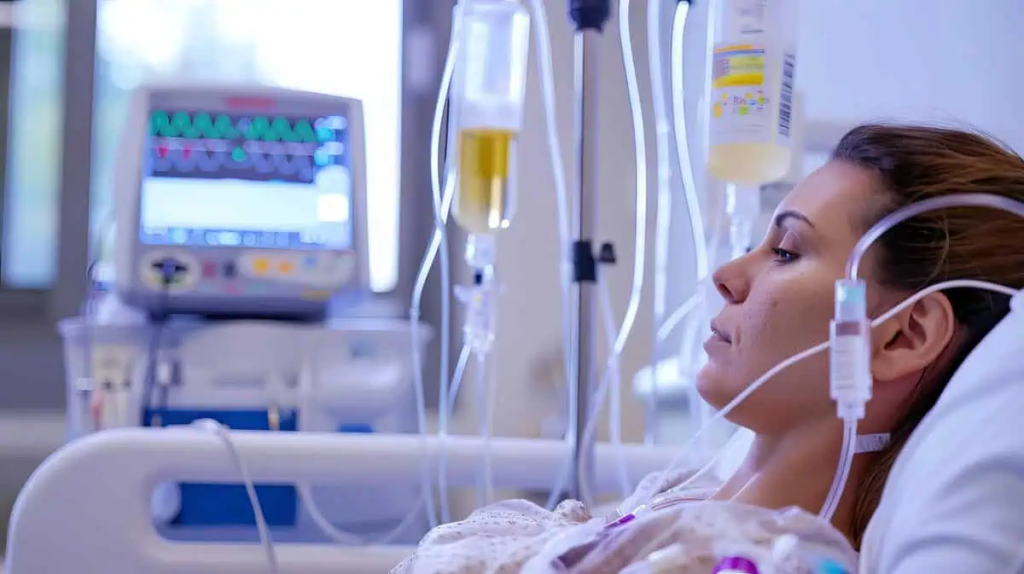
- Setting: You will be seated in a quiet, private room with soft lighting. Patients are encouraged to wear eye masks and listen to calming music to enhance relaxation and minimize external stress .
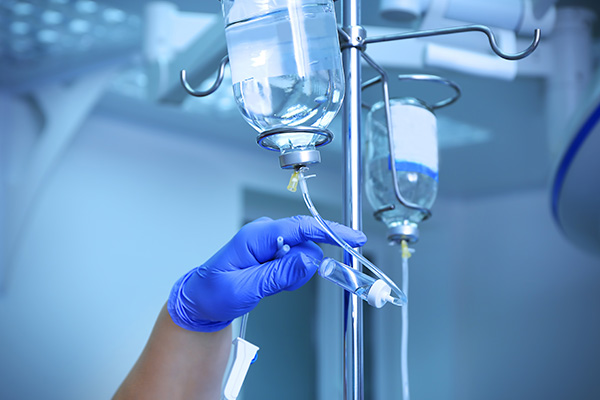
- Administration: A low dose of ketamine is administered intravenously over approximately 40 to 60 minutes . The dosage is precisely calculated based on your body weight and tailored to your individual response.
- Monitoring: Throughout the session, trained medical staff continuously monitor your vital signs, including blood pressure, heart rate, and oxygen levels .
- The Experience: During the infusion, patients typically remain awake. It is common to experience mild dissociation—a floating sensation or a temporary detachment from reality—along with visual changes or euphoria. These effects are transient and considered a normal part of the therapeutic process .
Post-Infusion and Integration
After the infusion, you will rest under observation for about 30 to 45 minutes. Because the effects of ketamine can temporarily impair coordination and judgment, patients must arrange for a driver to take them home .
Many clinics, including CVS Ketamine, emphasize the importance of integration therapy. In the days following an infusion, the brain is in a heightened state of neuroplasticity, making it an ideal time to engage in psychotherapy. Integration sessions help you process insights gained during the experience and embed new, positive cognitive patterns for long-term change .
Typical Treatment Protocol
Ketamine therapy is not a one-time event but a structured course of care.
- Induction Phase: Most patients begin with a series of six infusions over two to three weeks (typically twice weekly) . This phase is designed to achieve significant symptom reduction.
- Evaluation: After the induction phase, your response is evaluated using validated clinical tools. A “response” is generally defined as a 50% or greater reduction in symptom scores .
- Maintenance Phase: For those who respond well, maintenance infusions are scheduled on an as-needed basis—often weekly to monthly—to sustain the benefits over the long term .
Safety, Side Effects, and Contraindications
Ketamine is exceptionally safe when administered in a controlled medical environment. Unlike many general anesthetics, ketamine does not suppress respiration, which contributes to its favorable safety profile .
Common Side Effects
Side effects are typically mild and resolve quickly after the infusion ends. They may include:
- Dizziness or nausea
- Temporary increase in blood pressure
- Headache
- Blurred vision
- Feelings of dissociation or confusion during the drip
Who Should Not Receive Ketamine?
Ketamine is not suitable for everyone. Rigorous screening helps us exclude individuals for whom the risks may outweigh the benefits. Contraindications generally include:
- Uncontrolled hypertension or significant cardiovascular disease
- Pregnancy or breastfeeding
- Active psychosis or a history of schizophrenia
- Active substance use disorder (though this is evaluated on a case-by-case basis)
- Severe liver disease or unstable epilepsy
Addressing the Addiction Concern
When used therapeutically at low doses under medical supervision, ketamine has a very low risk of addiction. The infusions are spaced out over weeks, and the controlled setting eliminates the compulsive redosing patterns seen in recreational abuse .
The Evidence: What the Research Says
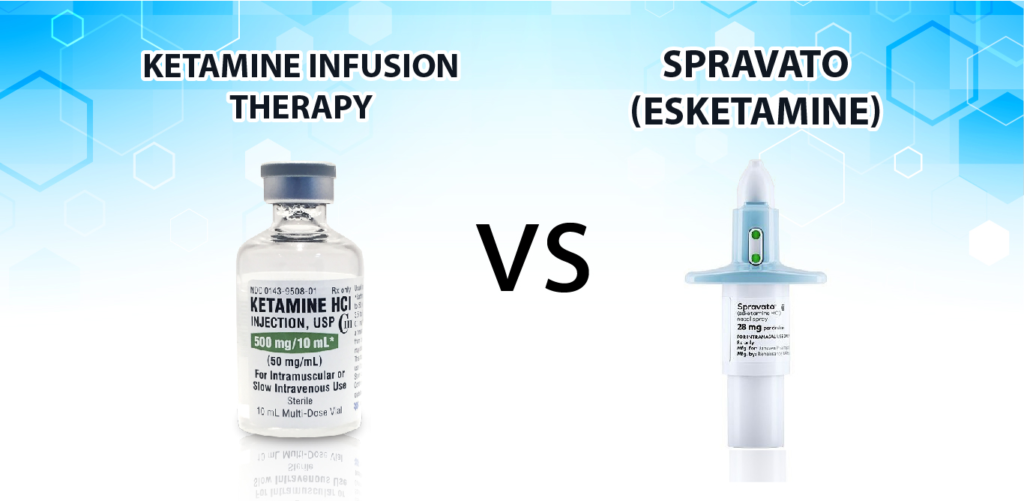
The scientific backing for ketamine is robust and growing. While the FDA has approved the ketamine derivative esketamine (Spravato) for TRD, clinicians have used generic racemic ketamine off-label for years with excellent results . infusion of ketamine
- Rapid Reduction of Suicidal Thoughts: Studies consistently show that ketamine can rapidly reduce suicidal ideation, offering a critical bridge to safety for patients in crisis .
- Neurobiological Repair: Yale School of Medicine research highlighted that ketamine restores synaptic connections damaged by chronic stress, explaining its fast-acting and sustained effects .
- Real-World Efficacy: While some recent trials, such as the KARMA-Dep 2 study, have called for more nuanced understanding of ketamine’s role against active placebos in inpatient settings, the overwhelming body of real-world evidence and clinical practice supports its use in carefully selected outpatients with TRD .
It is important to view ketamine not as a standalone “cure,” but as a powerful tool within a comprehensive treatment plan. When combined with ongoing psychotherapy and lifestyle modifications, ketamine facilitates the deepest and most lasting recovery . infusion therapy ketamine
Why Choose CVS Ketamine?
At CVS Ketamine, we are committed to the highest standards of patient care. Our protocols mirror those of leading research institutions and academic medical centers . We provide:
- Rigorous Medical Screening: Ensuring you are a safe and suitable candidate.
- Personalized Treatment: Dosing and protocols tailored to your unique needs.
- Integrated Care: Encouraging and facilitating psychotherapy to complement your infusions.
- Comfort-First Environment: A calm, private setting designed to minimize anxiety and maximize therapeutic benefit.
Take the First Step Toward Healing
If you have been struggling with depression, anxiety, or PTSD and traditional treatments have left you feeling hopeless, ketamine infusion therapy may be the breakthrough you have been searching for. By targeting the brain’s fundamental healing mechanisms, ketamine offers a rapid and effective path to recovery. ketamine infusions
Contact CVS Ketamine today to schedule a confidential consultation and learn if ketamine infusion therapy is right for you. Ketamine Infusion
Table of Contents
